

From the seabed
to the solar wind
UNIS carries out research in the High Arctic and helps develop Svalbard as an international research platform. Students and staff use nature as a laboratory.
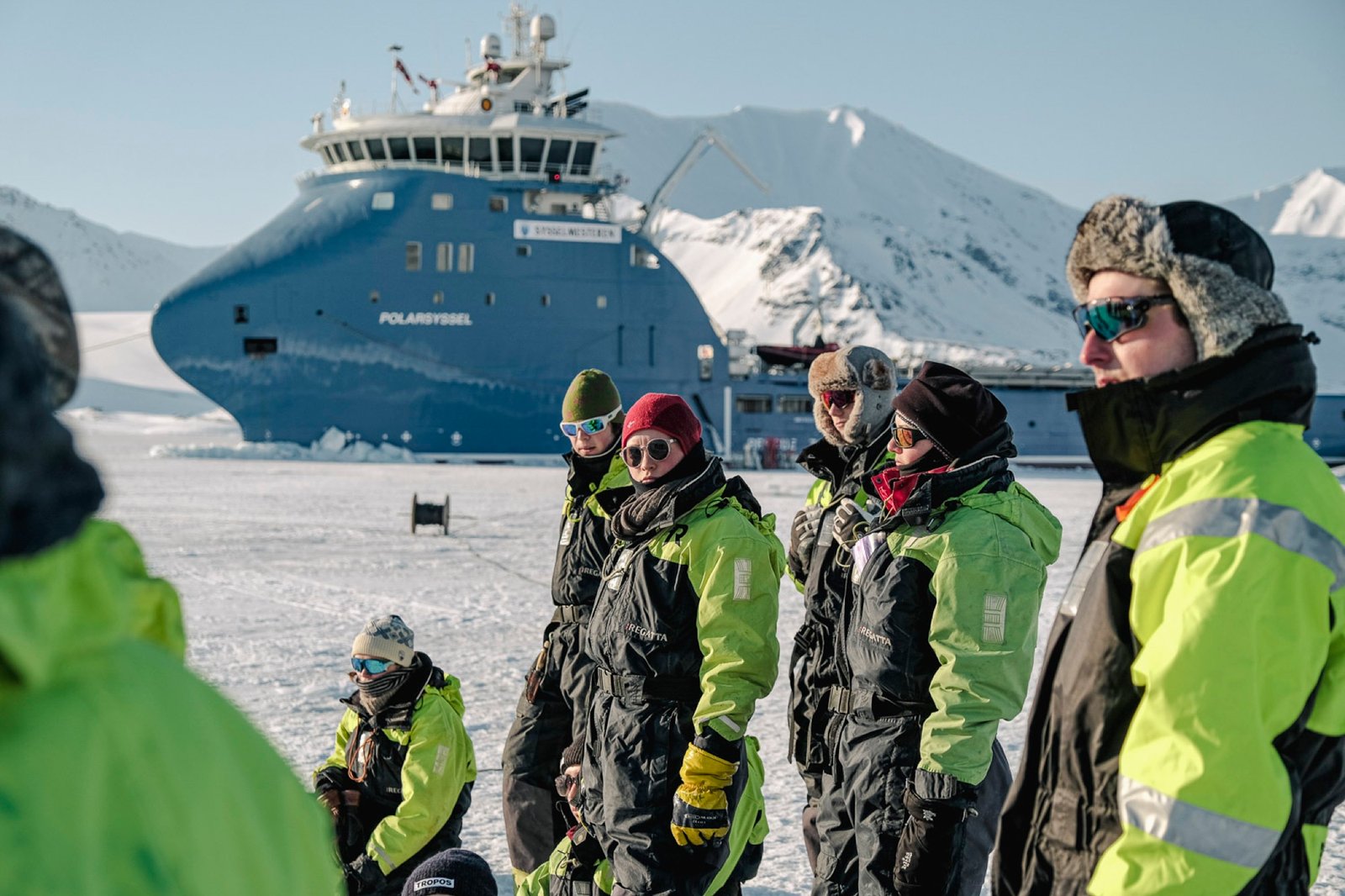
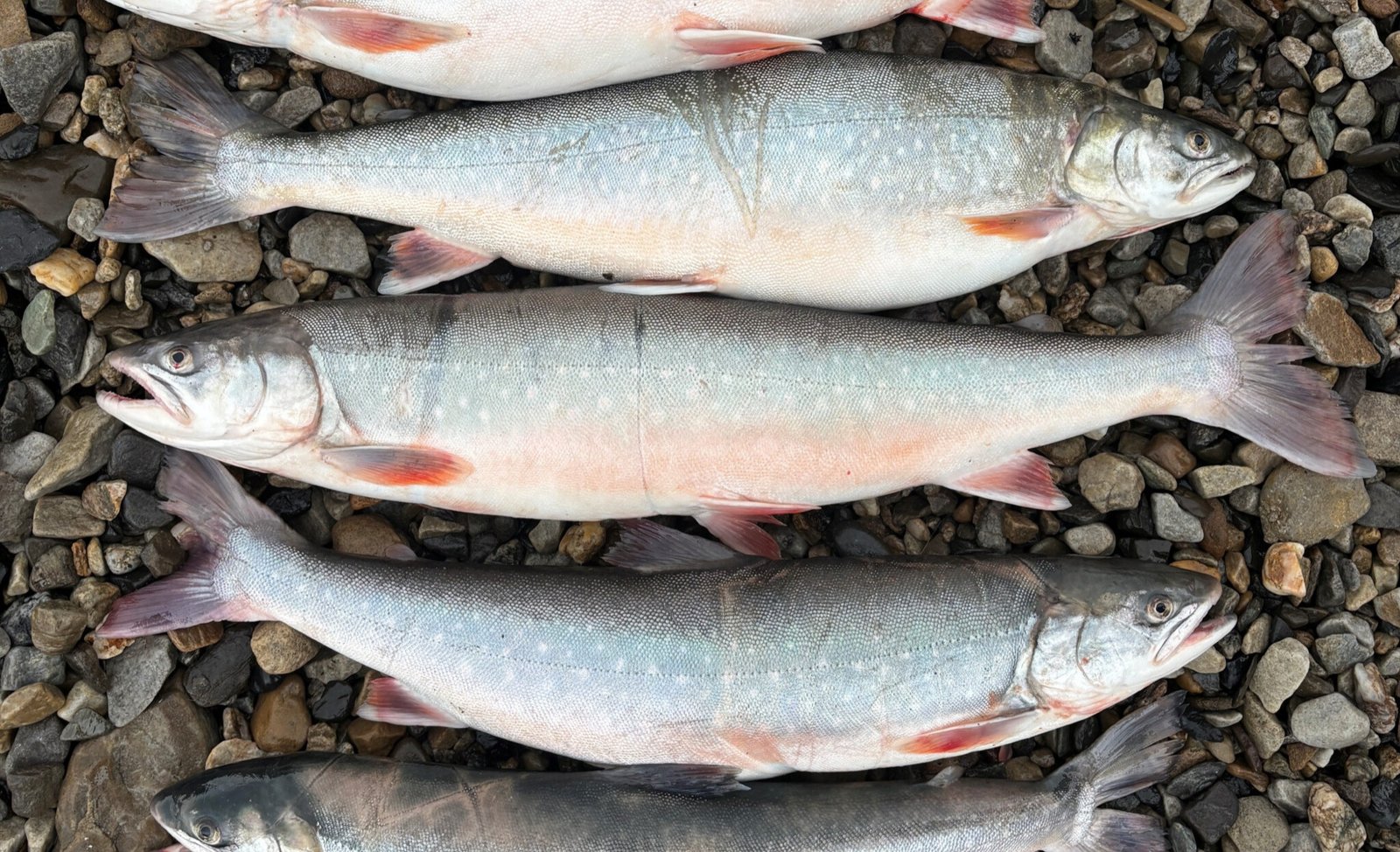
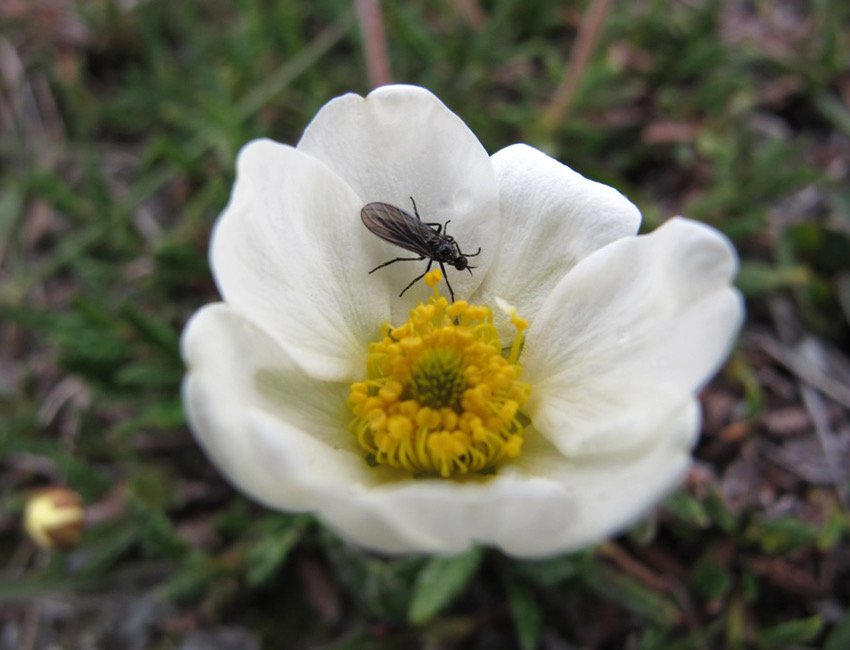
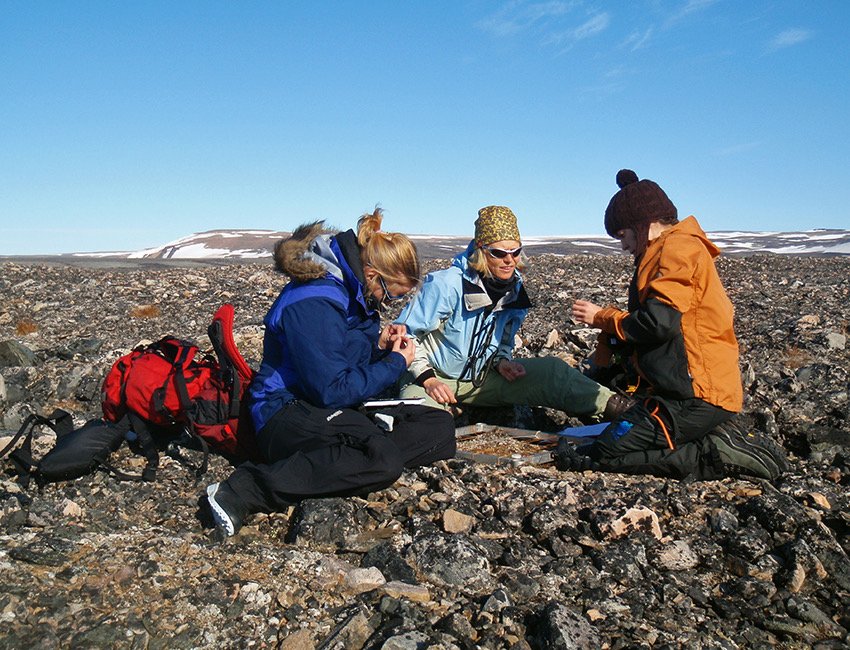
Arctic Biology
Life on tundra, sea ice and in the polar night.
The only European High Arctic biology department offering undergraduate education, graduate research experience and Arctic research on a regular basis. Research covers three linked topics: climate change biology, seasonal ecology, and the dynamics of species and systems over space and time.
Courses in Arctic Biology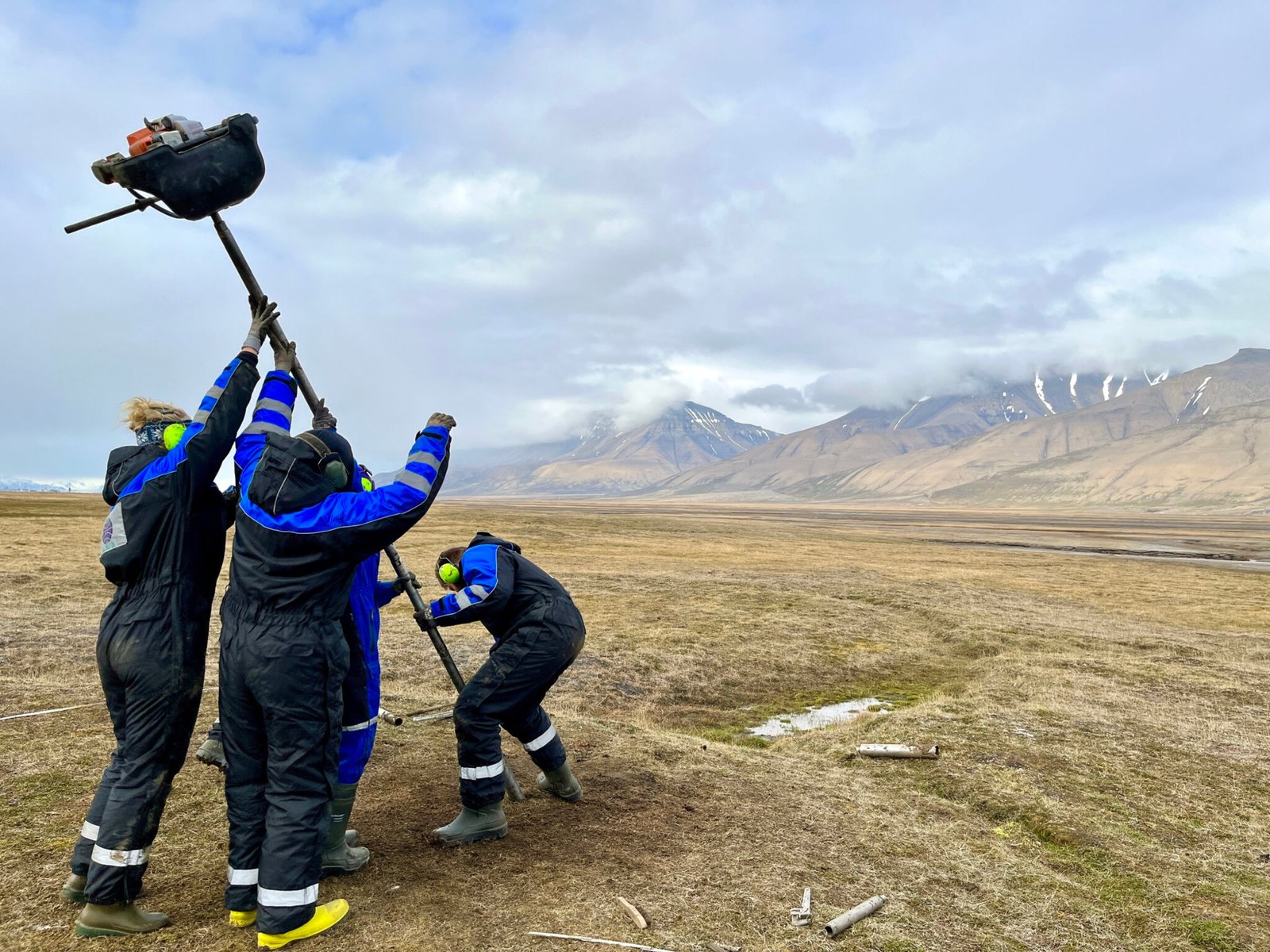
Arctic Geology
Glaciers, permafrost and rocks from the Precambrian to today.
The geological evolution of Svalbard and the Barents Shelf, recorded in sequences from the Precambrian to the Cenozoic and overlain by Quaternary glacial deposits. Accessible outcrops and active glacial, periglacial, marine and terrestrial environments make a field laboratory on the doorstep.
Courses in Arctic Geology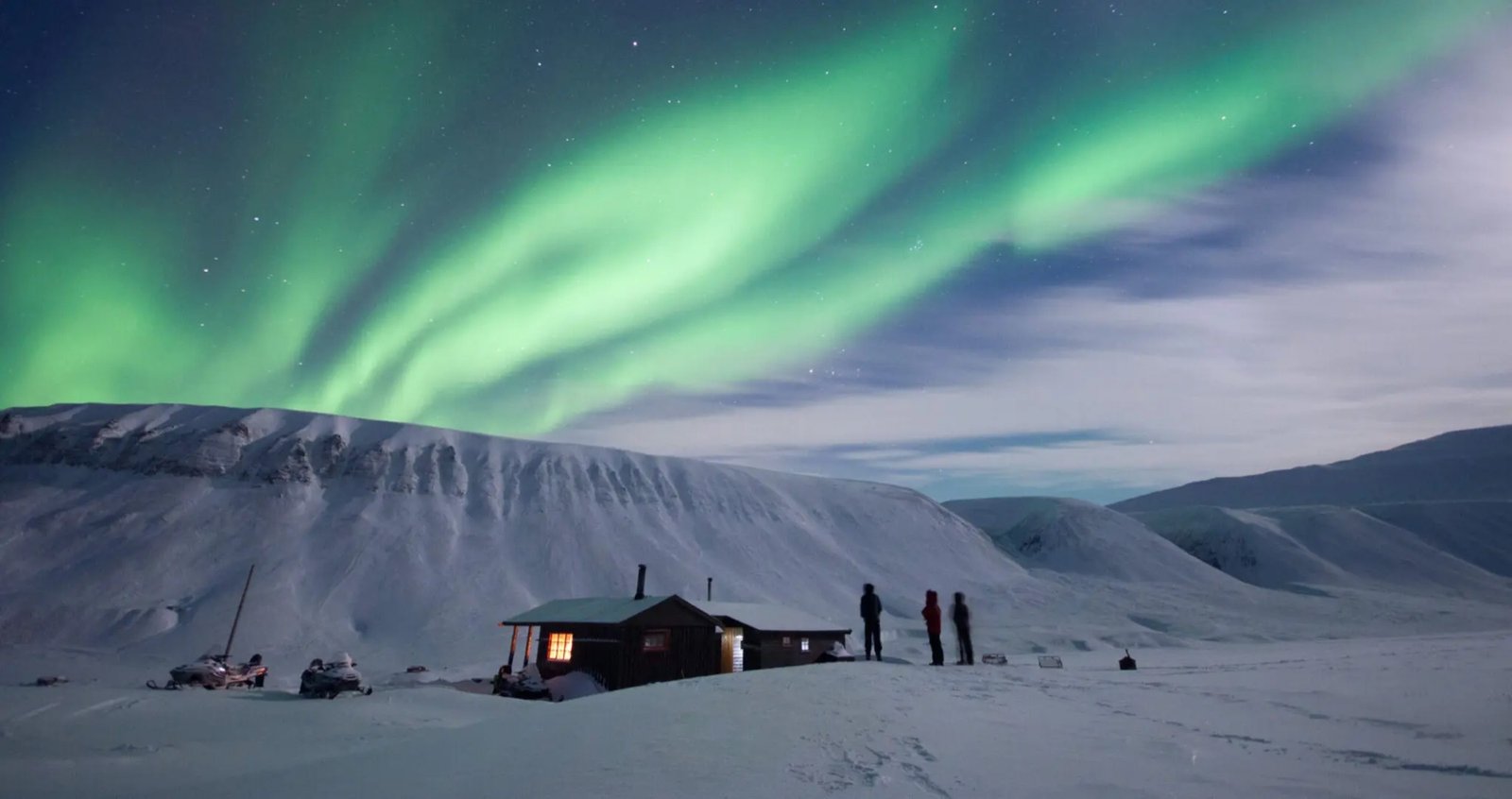
Arctic Geophysics
From the deep ocean to the northern lights.
A vertical range from the depths of the ocean, through snow and ice covered land and the whole atmospheric column, to the solar wind in outer space. The emphasis is on polar phenomena that affect global ocean and atmosphere currents, and on radiative processes in the atmosphere and on the ground.
Courses in Arctic Geophysics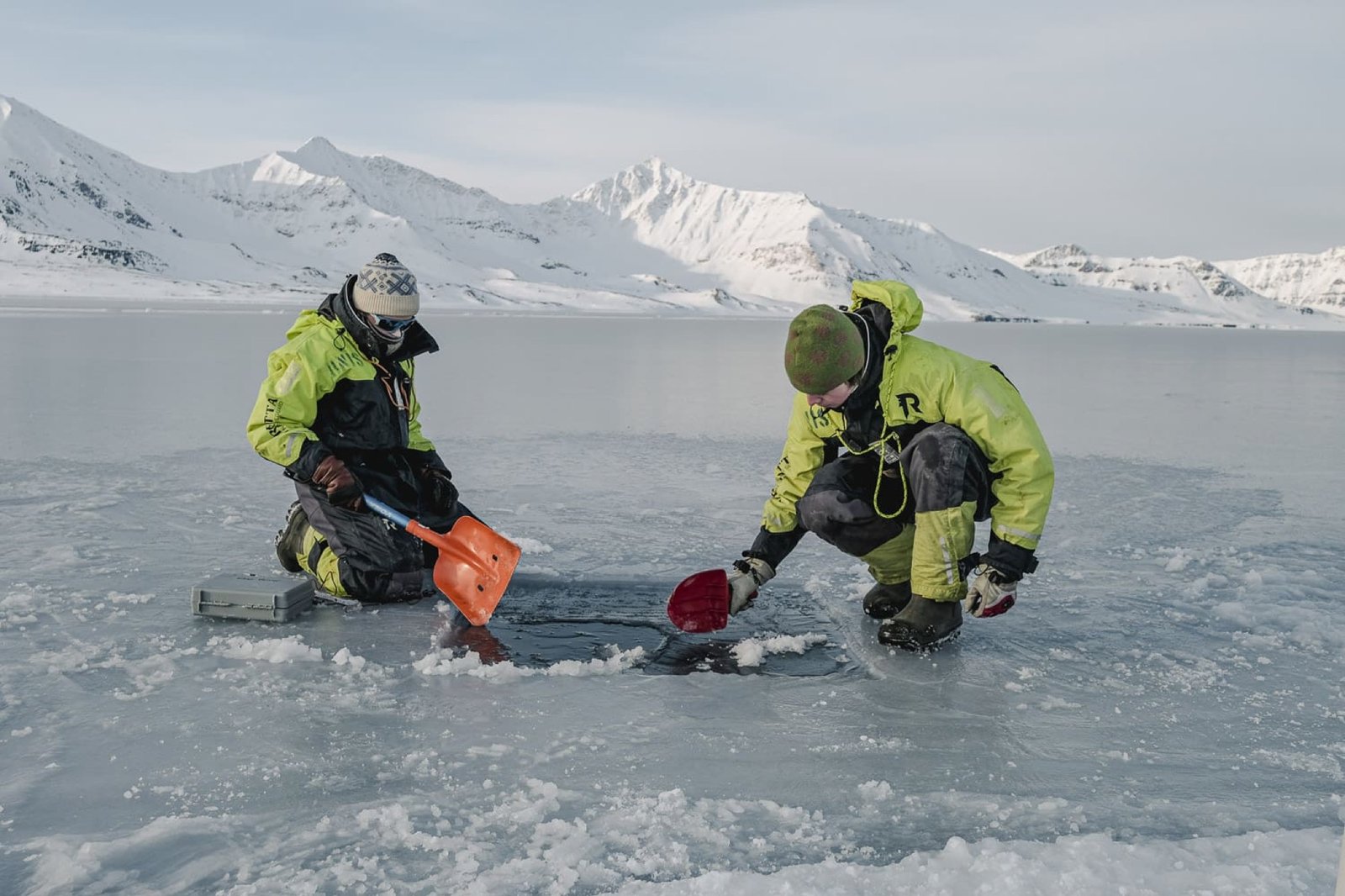
Arctic Technology
Engineering, energy and pollution in a frozen environment.
Two fields. Arctic Engineering covers permafrost, foundations, slope stability, avalanches, sea ice properties and ice loads. Arctic Environmental Technology and Chemistry covers pollution problems, environmental impacts and remediation in Arctic areas.
Courses in Arctic Technology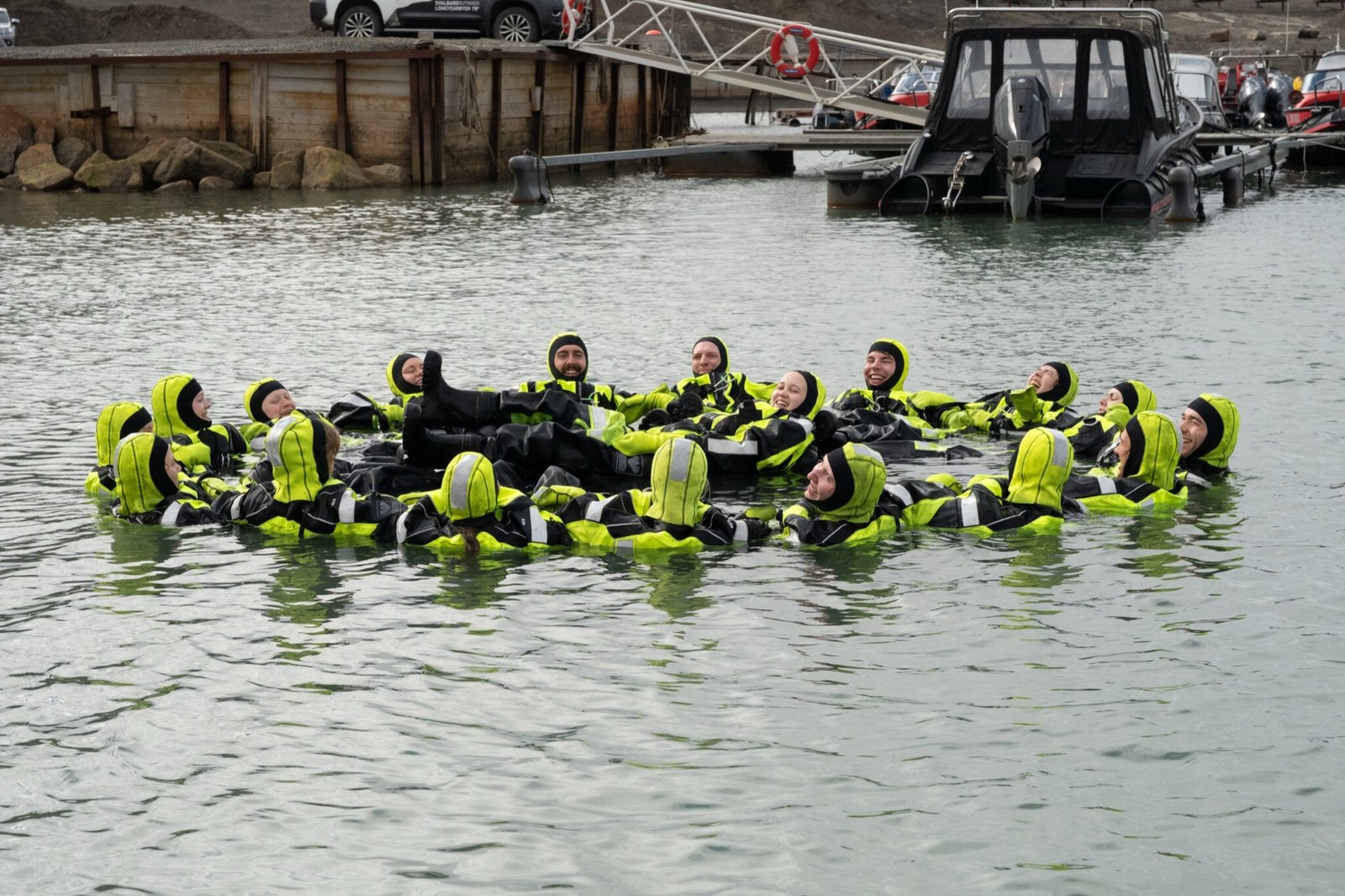
Arctic Safety Centre
Field safety, societal safety and emergency preparedness.
Research-based and practical knowledge about safety for the local community, businesses and others who work in the field on Svalbard. The focus is field safety, societal safety and emergency preparedness, with natural hazards and climate adaptation as important factors, built on more than 30 years of UNIS field activity.
Courses in Arctic Safety CentreProjects
A selection of active research and education projects at UNIS.
INSULATE
Studies how climate change, through both biotic and abiotic factors, affects permafrost insulation year-round in the Arctic.
360° Virtual Field Guides
FieldPass works to improve how students learn about fieldwork, and how the skills gained in the field can be assessed. Virtual field guides are one way.
IWIN
The Isfjorden weather information network collects data from several stations to improve understanding of local atmospheric processes and forecasts.
CAFE
The Centre of Excellence in Arctic Field Education is the hub for educational development at UNIS, with seed funding, professional development and certification of field skills.
iEarth
Part of the centre of excellence: a student-focused learning environment for geoscience, using active learning in an integrated national education.
UNISprout
Lets bachelor students join the planned fieldwork of guest master and PhD students as field or lab assistants.
Looking for papers? Search UNIS publications